
About Us
How We Enhances Plastic Components
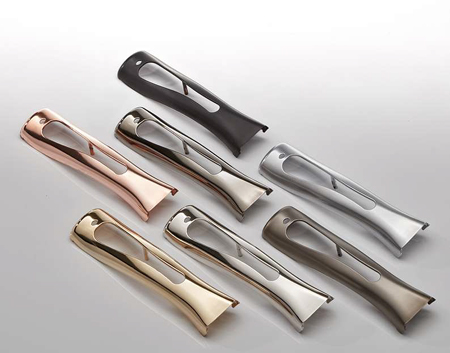
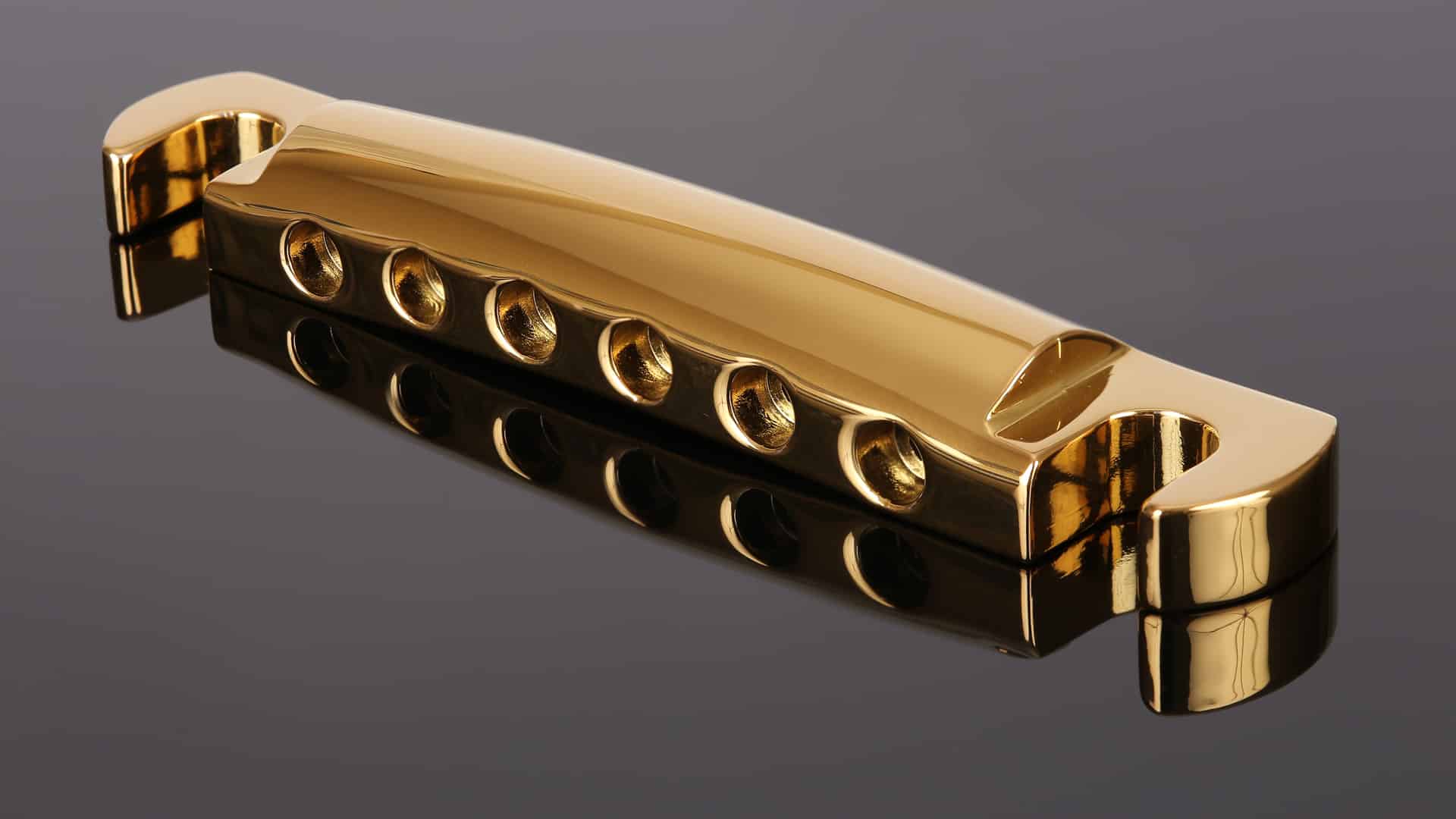
Chrome plating on plastic involves forming a thin layer of chromium on plastic surfaces. This process enhances aesthetics and durability, giving plastic components a sleek, metallic finish. It’s widely used in automotive, electronics, and consumer goods, where functionality and appearance are critical. For optimal plating results, moldings should have cross-sectional dimensions with minimum variation. Wall thicknesses should not exceed 3.8mm, to avoid uneven cooling and shrink or warp of the component. Introducing ribs to the molding design can add strength and rigidity to a component without adding weight and increasing wall thickness. Generally, components to be plated should have gently curved and convex surfaces.
Factors Influencing the Quality of Chrome Plating on Plastic
40
the Industry
Years in
Our Purpose
To deliver innovative, high-quality solutions that empower.
Our Values
Our values define who we are & guide every decision we make.